
Good judgment
When should you double-check a camera count?
Use a photo estimate to spot what deserves a second look, then verify the count when an exact quantity affects a decision or record.
Published
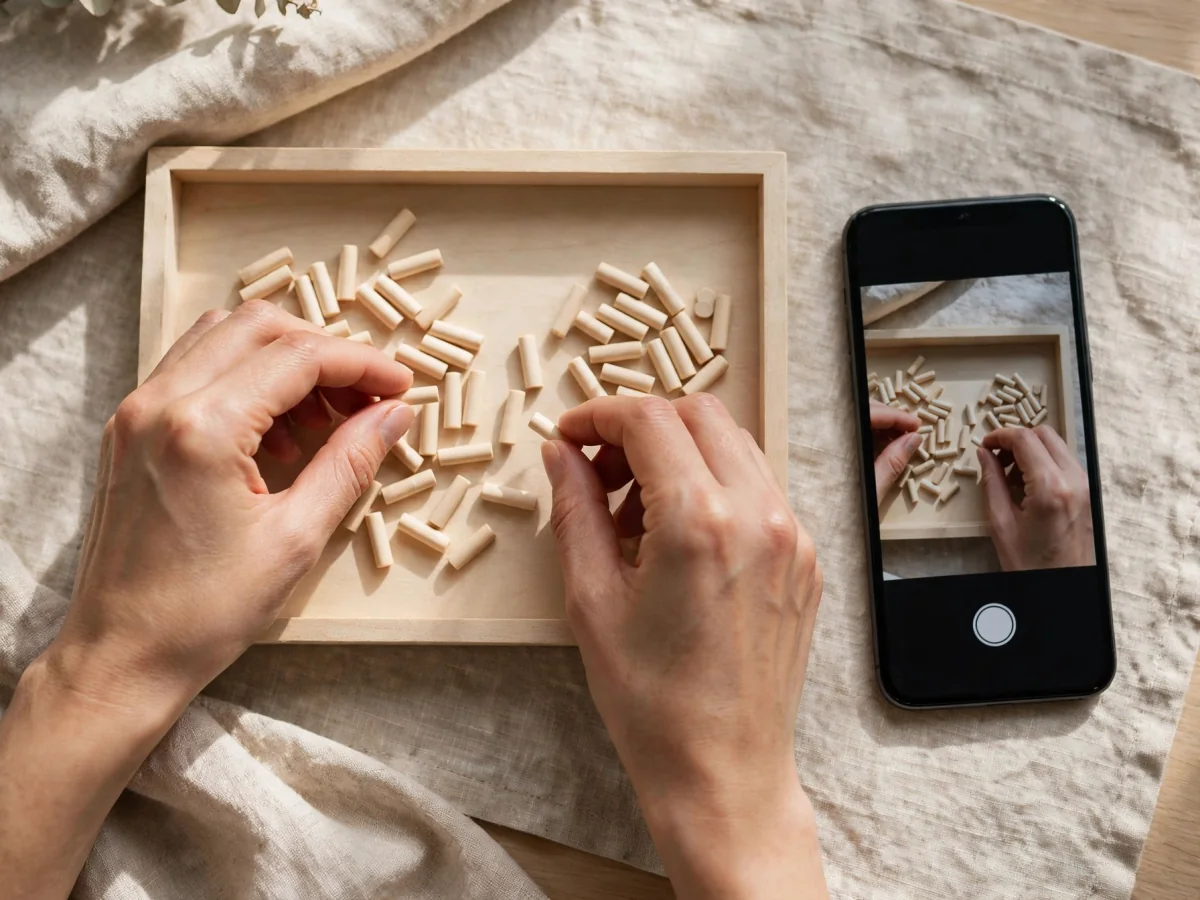
Start with what the number will be used for
For a casual check of a clearly visible group, a photo estimate may be a helpful point of reference. When a quantity controls a payment, shipment, stock record, safety step or formal decision, the cost of a missed or extra item is higher.
In those situations, use a manual count or a process designed and validated for that job. Do not assume that a camera estimate has been calibrated for a regulated workflow.
Check whether the photo gives a fair view
Look for objects that overlap, blend into the background or sit partly outside the frame. Check for blur, reflections, harsh shadows and a steep camera angle. Each of these conditions can make the visible scene less clear.
If you can improve the scene, spread the items out and take another photo. If you cannot, treat the estimate as a rough clue and make the manual verification more deliberate.
Keep counts and dimensions separate
Counter shows a detected total. Measure shows detected dimensions and area. A count that looks plausible does not verify the dimensions, and a dimensional estimate does not confirm the number of objects.
When both quantities matter, check each with an appropriate direct method. A quick visual result should not replace a scale, ruler, caliper or other measuring tool when the task requires one.
Let the app point to a review, not decide the outcome
Count Objects Camera says that results may vary with image quality, lighting, object visibility and camera angle. Scan History can help you revisit a previous image, but a saved result is still an estimate.
Record what you manually confirmed and when. If the result cannot be checked independently, be transparent about that uncertainty instead of presenting it as exact.
Sources and further reading
- Count Objects Camera on Google Play — Official listing for product behavior and estimate caveats; not an independent accuracy benchmark.
Keep exploring
All blog posts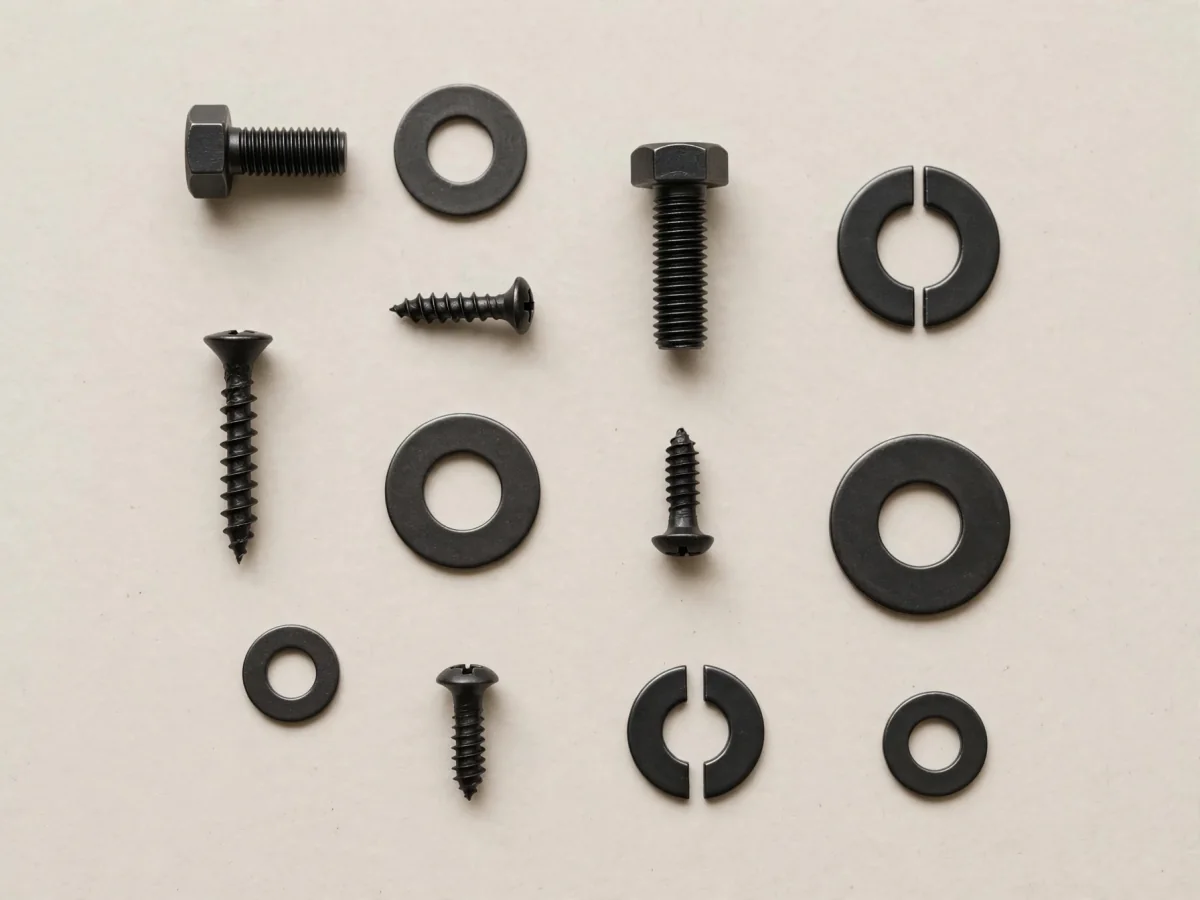
How to take a clearer photo for a count estimate
A tidy frame can make an object-count photo easier to inspect, but it cannot guarantee the total that a camera-based tool will return.
Read article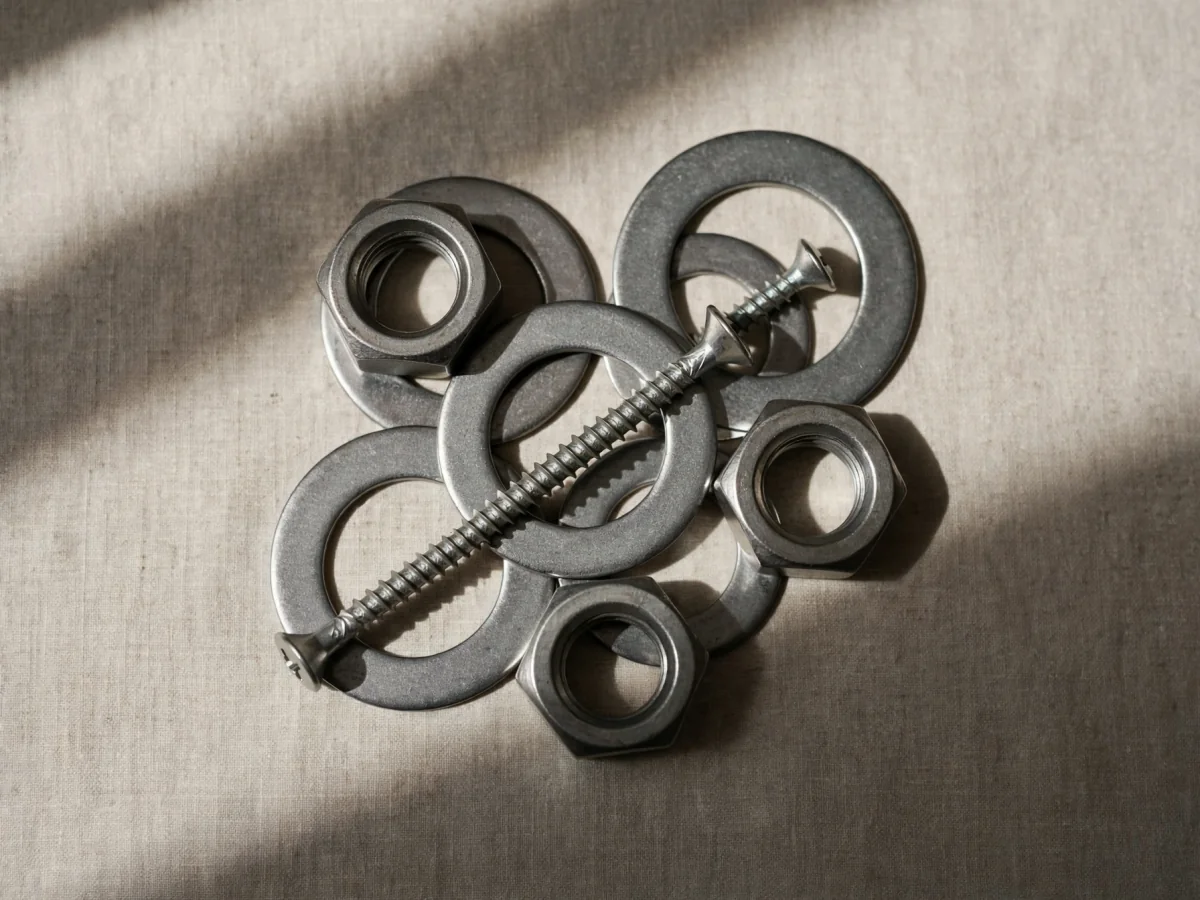
What overlap and lighting can do to a photo count estimate
A photo captures only visible edges and contrast. Overlap, shadows and glare can hide objects, so an estimate may miss details worth checking.
Read article