
Reading results
What overlap and lighting can do to a photo count estimate
A photo captures only visible edges and contrast. Overlap, shadows and glare can hide objects, so an estimate may miss details worth checking.
Published
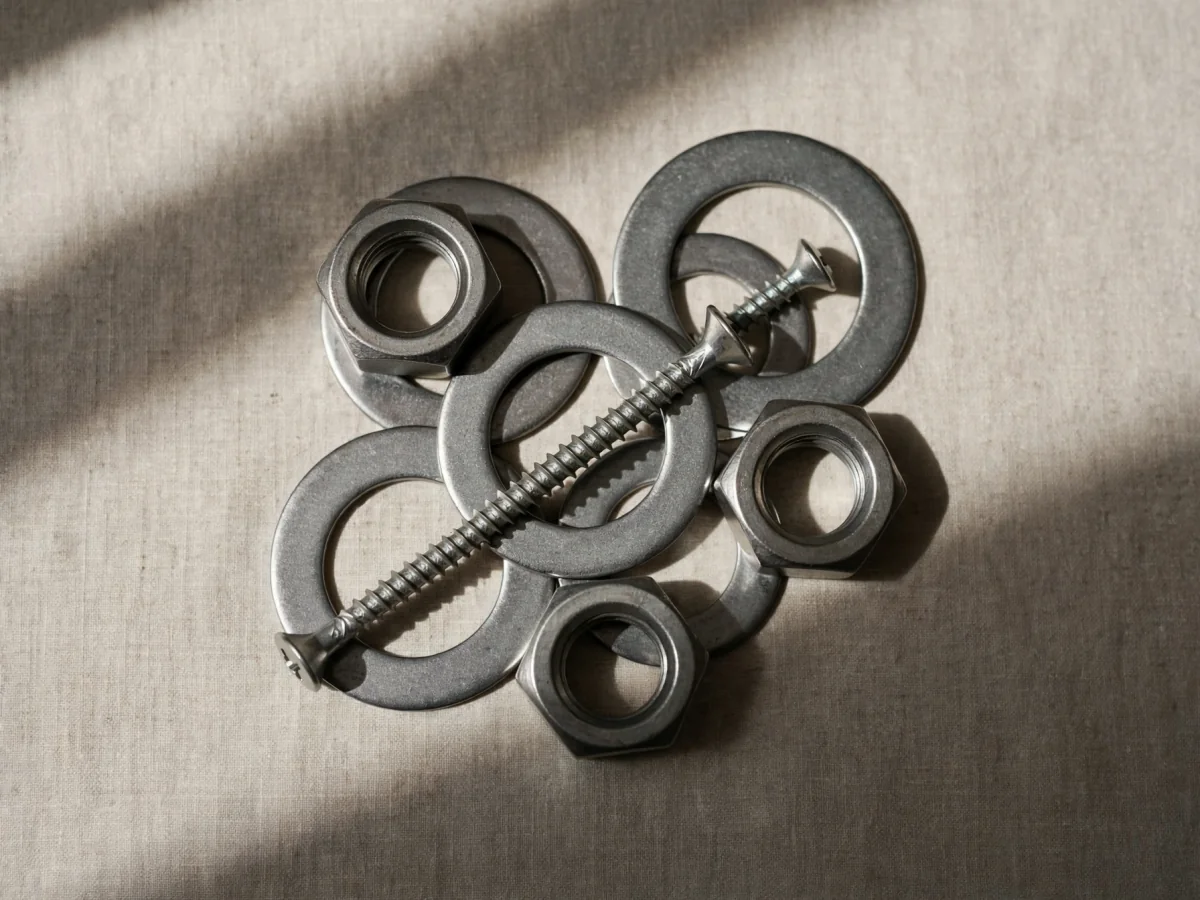
Overlap hides boundaries
When one object sits on top of another, their outlines merge. A partly hidden item can look like a single larger shape or disappear behind a neighbor. Similar objects packed tightly together are harder to distinguish than the same objects laid out with space between them.
When possible, separate the objects and retake the image. If moving them would disturb a fragile or arranged scene, note that the photo is incomplete and treat the estimate with extra caution.
Contrast carries visible information
A dark object on a dark surface may lose its edge. A shiny object can reflect a bright window or lamp and hide part of its shape. A deep shadow can also make two touching objects look like one area.
Try a surface with a different tone, move the light source, or change the camera angle slightly. Review the captured image rather than assuming what the lens recorded.
Angle changes apparent spacing
A tilted camera changes how near and far parts of the scene appear. Objects in the foreground can look larger; rows farther away may compress together. This perspective effect can make a photo less consistent than a straight-on view of a flat arrangement.
For a tabletop group, hold the phone parallel to the surface when you can. For stacked or three-dimensional objects, consider taking separate views rather than relying on one picture to show every side.
Treat the result as a prompt to inspect again
Count Objects Camera describes results as estimates and notes that image quality, lighting, visibility and camera angle may affect them. A visually difficult scene deserves a closer manual check, even if the displayed result looks plausible.
Use the estimate to decide what part of the image to review. If a count will be used for money, safety, shipping or a formal record, verify it with a direct count before acting.
Sources and further reading
- Counting in the Wild — University of Oxford — A research study on penguin images discusses occlusion and scale variation; it is not a test of this app.
Keep exploring
All blog posts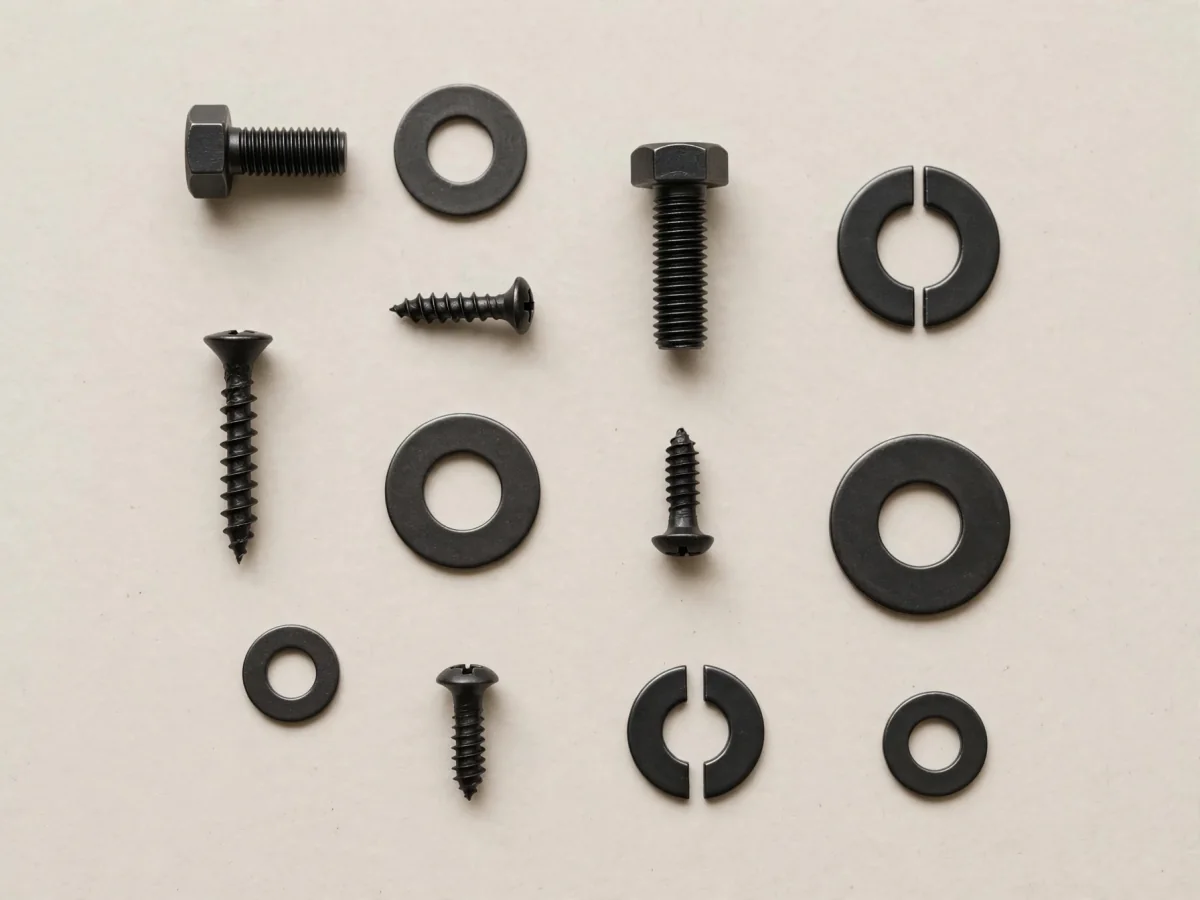
How to take a clearer photo for a count estimate
A tidy frame can make an object-count photo easier to inspect, but it cannot guarantee the total that a camera-based tool will return.
Read article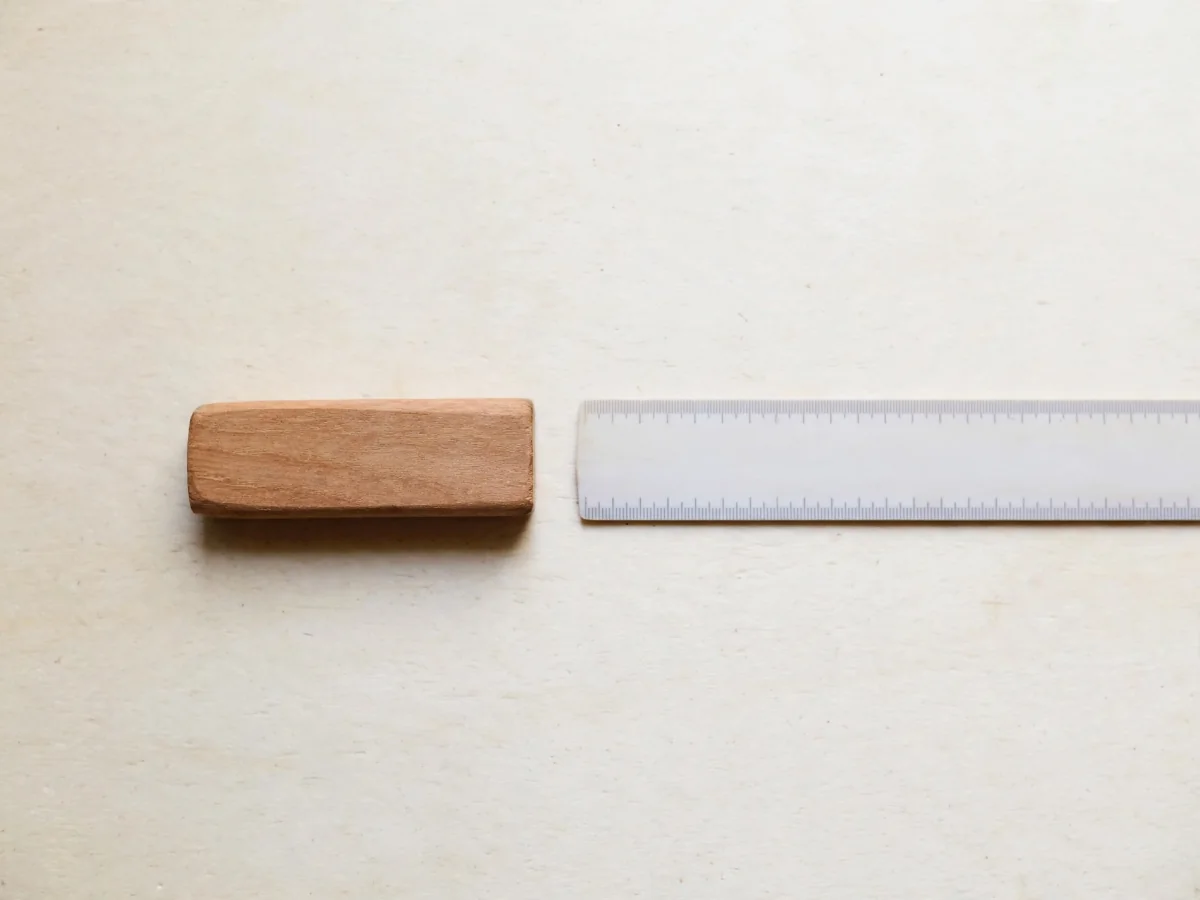
What does “measure from a photo” actually mean?
Measure mode reports detected dimensions and area from an image. These photo-based estimates are not ruler readings or verified physical dimensions.
Read article